Tag: Microbiology


Crack the Code: D Value & Z Value Explained
Sterility!! The one word that can give nightmares to many Life Sciences students. It doesn’t spare even the best of
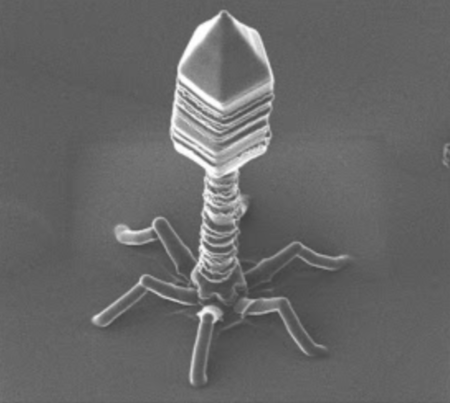
Life cycle of Bacteriophage
Bacteriophage literally means bacteria eater, because they infect bacteria and kill them. It means bacteria are host to the bacteriophage.
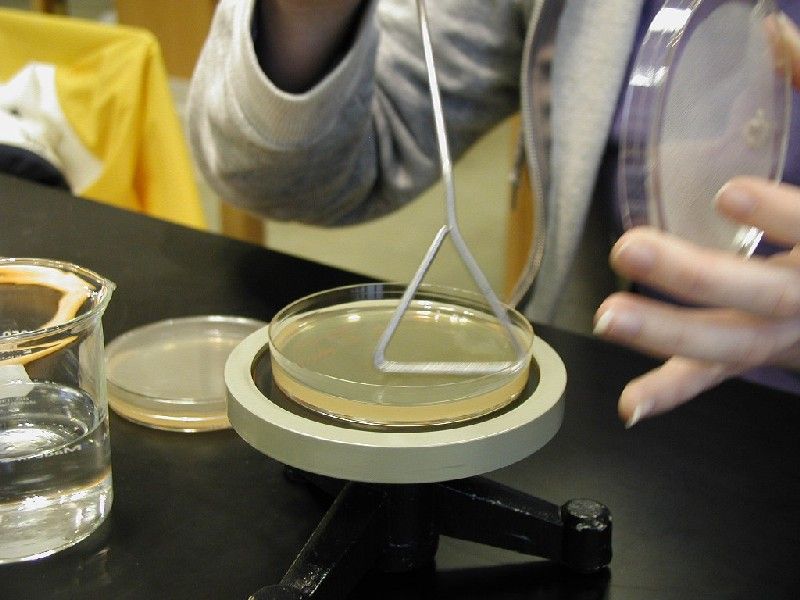
Isolation of Pure Culture
What is Pure (Axenic) culture? It is laboratory microbial culture which contains only one specific species of microorganism. Why do
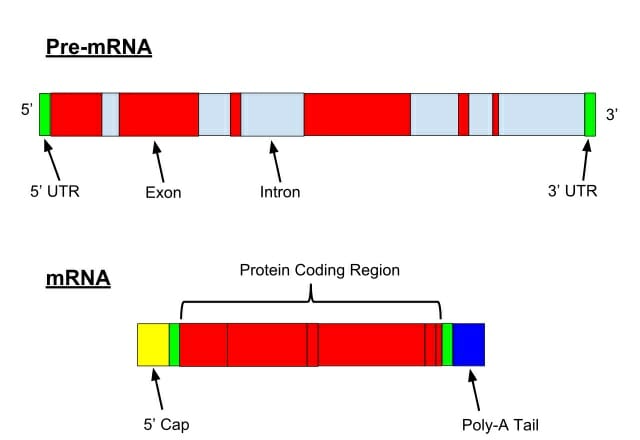
m-RNA Processing in Eukaryotes
In central Dogma of life, we have studied that DNA replication, transcription and translation are vital molecular processes. In Eukaryotes,
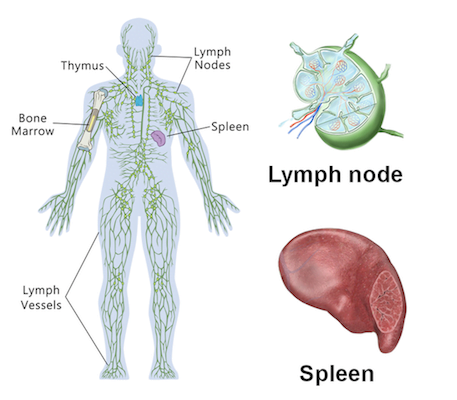
The Lymphoid Organs of Immune System
Lymphoid organs are of two types – Primary and Secondary. They are classified based on their function. The Immune system
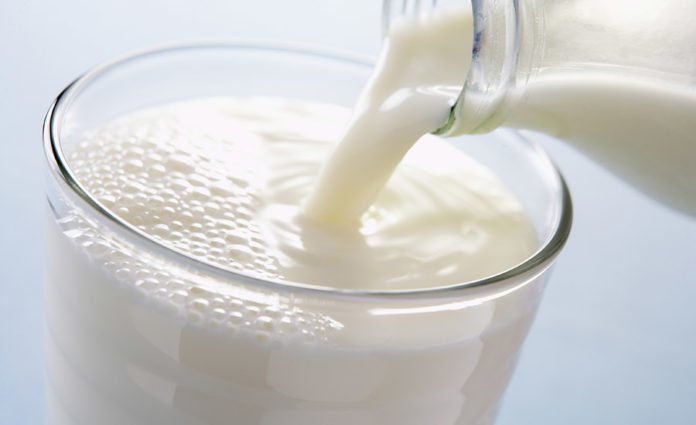
Milk Testing by Dye Reduction Tests
Dye Reduction tests are used to check the microbial load present in the milk sample. It is convenient and quick
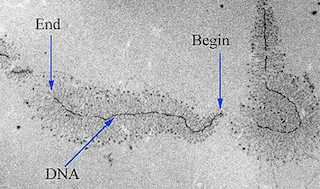
Transcription in Prokaryotes
Transcription is the first step for protein synthesis. It is the process by which the m-RNA is synthesized and the

What is Cloning?| What are different types of Cloning?
Cloning is a method of producing genetically identical organism that already exist in nature. It is asexual form of reproduction.
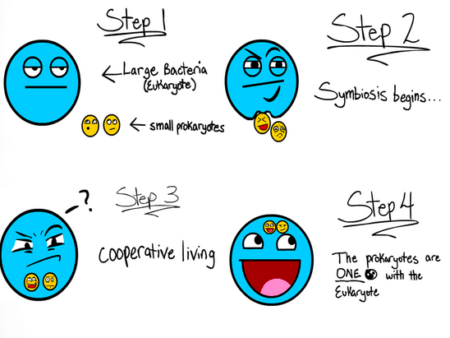
Endosymbiosis Theory
Endosymbiosis explains the origin of chloroplast and mitochondria. The life was initiated on earth, around 3.5 billion years ago. The
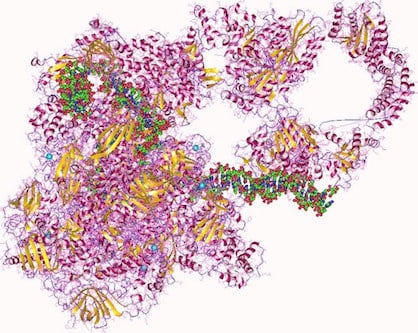
RNA Polymerase in Prokaryotes and Eukaryotes
Introduction – Transcription is the synthesis of RNA from DNA, catalysed by a very special enzyme, RNA polymerase (RNAP). The

ALZHEIMER’S DISEASE
Alzheimer’s disease is a neuro-degenerative disease in which brain cells stop working or die. This disease destroys the person’s thinking